
Maintenance & Repairs
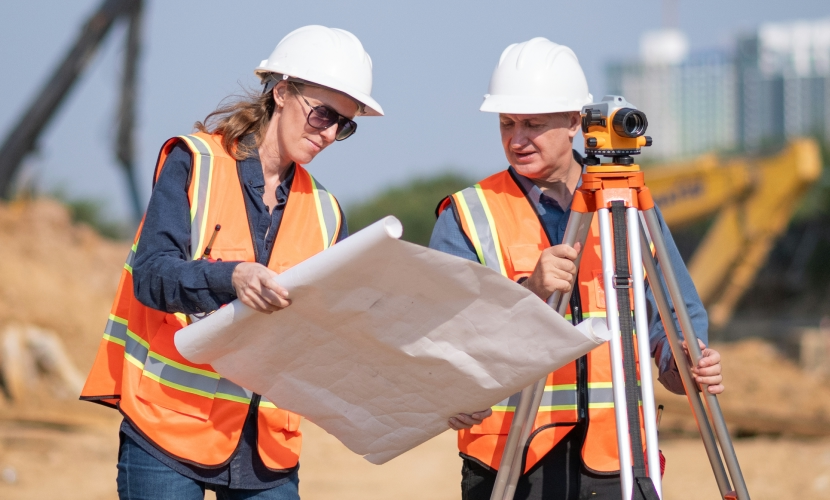
Maintenance & Fault Repairs.
A network stops being a project the day it goes live and becomes something that has to stay up. Our maintenance teams handle faults, cable breaks, relocations and preventative work across five provinces, with crews based locally rather than dispatched from a central depot.
Most faults on a South African fibre network are caused by someone else: a contractor’s excavator, a road widening, storm damage, theft. What matters is how quickly you get a team to the break and how well they document what they found.
How we work.
Faults are logged directly with the regional team rather than routed through a call centre. Crews carry splicing equipment and test sets as standard, so most breaks are repaired on the first visit rather than assessed and returned to.


Why it matters?
Downtime is what an operator’s customers actually experience. Fast, properly documented repairs protect the service, the SLA and the reputation of the network, and good records mean recurring problem areas get fixed rather than patched repeatedly.
- Local crews, shorter response times
- Repaired and tested on the first visit
- Every fault documented and traceable

Maintenance & Fault Repair FAQs
What operators ask about keeping a network live?
How faults reach us, how quickly we respond, and what happens after the repair.
Response times are agreed per contract and depend on the area and severity. Because our crews are based in the provinces they cover rather than travelling in, we're usually on site faster than a centrally dispatched team.
Directly with the regional team. Existing clients get contact details for the crews covering their network rather than a general call centre number.
Yes. Maintenance teams operate around the clock, because faults don't keep office hours and neither do the contractors who cause them.
Yes. Road widening, municipal works and private construction all require infrastructure to be moved, and we handle the planning, wayleaves and physical relocation.
Yes. We regularly take over maintenance on networks built by other contractors, including ones where the original documentation is incomplete. We'll survey and record what's there as we go.
A fault report covering cause, work done and test results. Over time that builds a picture of where a network keeps failing, which is what turns reactive repairs into preventative work.