
Fibre Construction
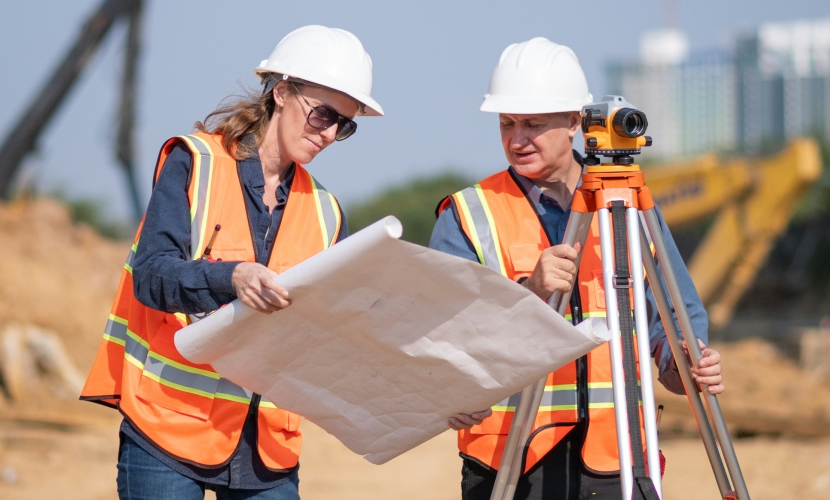
Fibre Construction.
Fibre construction is where a design meets the ground, and the ground rarely cooperates. We build across every method the route demands: hand and machine trenching, moling, horizontal directional drilling for road and river crossings, and aerial builds where underground isn’t viable.
All of it is done by our own crews, with our own plant, working to the design and the approvals already in place. Reinstatement is part of the job rather than an afterthought, because the state a street is left in is what residents and the municipality remember.
How we work.
We match the build method to the conditions rather than to whatever equipment happens to be available. That means slower, more careful work where services are congested or ground is difficult, and faster progress where the route allows it. Either way, the crews on site are ours.


Why it matters?
Construction is the stage that costs the most and carries the most risk. Getting it right means fewer service strikes, fewer community complaints, and a network that doesn’t need revisiting six months later.
- Local teams, our standards
- Progress you can actually track
- Reinstatement that holds up
Fibre Construction FAQs
What operators ask about the build?
How we build, what we build with, and what happens on the ground when conditions change.
Hand and machine trenching, moling, horizontal directional drilling, and aerial builds. The method depends on ground conditions, existing services and what the wayleave permits, and we'll use more than one on most routes.
Yes. Our crews work with our own equipment rather than hired plant, which means we're not waiting on availability when a project needs to move.
Reinstatement is done to municipal standard as part of the build, not left to a separate contractor afterwards. It's the part of the job the public sees, and poor reinstatement is what damages an operator's reputation in a suburb.
We stop, assess and report it before proceeding. Service strikes are expensive and dangerous, which is why we survey physically before designing and why crews work to documented method statements.
Yes. Dense informal settlements, established suburbs with congested services and rocky terrain all need different approaches, and our crews have built in all of them across five provinces.
It depends on the rollout, but with 60+ in-house teams we can scale a single project up substantially without pulling crews off other work.